Follow Me On Social Media!

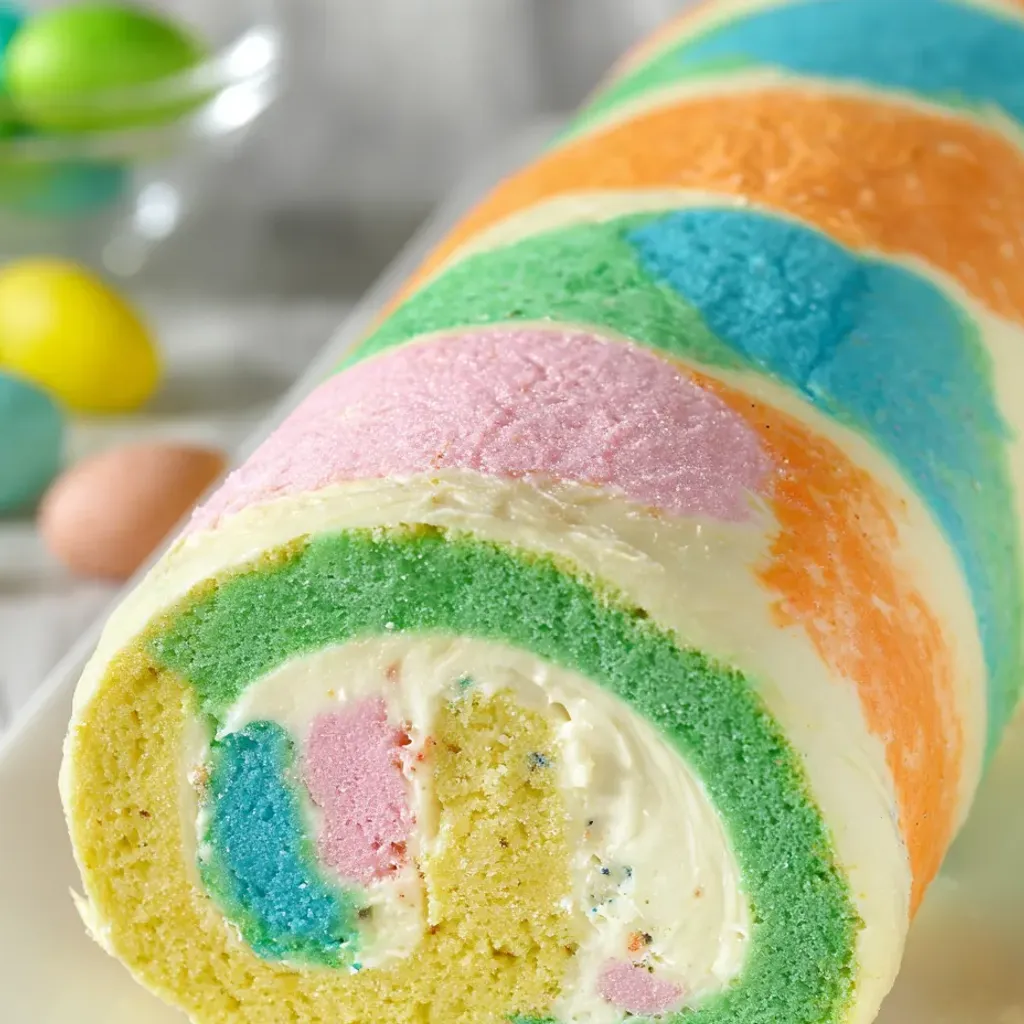
Are you looking for a show-stopping dessert to impress your guests this Easter? Look no further than this delightful Easter Cake Roll! This recipe has been a game-changer for me, bridging the gap between stunning visual appeal and mouthwatering taste without requiring expert baking skills. The vibrant pastel swirls of this vanilla cake, enveloped in silky buttercream, create a mesmerizing spiral pattern that never fails to wow everyone at the table.
I still remember the first time I brought this Easter Cake Roll to my daughter’s school Easter party. The oohs and aahs that filled the room when I sliced into the cake and revealed the beautiful swirls inside were priceless. Even my experienced baker mother-in-law was impressed by the vibrant colors and perfect swirls, not realizing how simple the technique is behind this stunning dessert. With some basic piping and rolling skills, you too can create a bakery-worthy Easter treat that will have everyone asking for seconds.
Don’t let the intricate appearance fool you – this Easter Cake Roll is surprisingly forgiving to make, especially when you follow a few key tips. From using gel food coloring for vibrant hues to rolling the cake while warm for a flawless spiral, mastering this recipe will make you feel like a baking pro. Whether it’s for Easter dinner, a spring birthday party, or any other special occasion, this cake roll has become my go-to dessert that always steals the spotlight. Get ready to amaze your guests with this visually stunning and delectable Easter Cake Roll!
Quick Benefits
- Visually Stunning: Creates a visually stunning spiral pattern of vibrant pastel colors when sliced, perfect for special occasions and celebrations.
- Approachable Technique: Technique is forgiving and manageable once you understand the basic rolling process, making it suitable for home bakers of all skill levels.
- Impressive Presentation: Elicits gasps and compliments, giving the impression of professional baking skills while using a simple cake mix base.
- Versatile: Perfect for various spring celebrations like Easter dinners, baby showers, and birthday parties.
Why You’ll Love This Decadent Easter Cake Roll Recipe Recipe
- Stunning Visual Appeal: The vibrant pastel swirls running through the tender vanilla cake create a gorgeous spiral pattern when sliced, making it visually stunning and perfect for special occasions.
- Easy to Make: Despite looking intricate and professional, this recipe doesn’t require advanced pastry skills, making it accessible for home bakers of all levels.
- Impress Without the Effort: People will assume you have professional baking skills when you present this cake roll, making it perfect for impressing guests at gatherings or parties.
- Versatile for Various Occasions: This cake roll is suitable for a wide range of celebrations, from Easter dinners to baby showers, spring birthdays, and more.
- Forgiving Technique: Once you understand the basic rolling process, creating this cake roll is quite manageable, even for those new to baking.
- Family Favorite: This recipe has become a signature dessert for many, with people specifically requesting it due to its impressive appearance and delicious taste.
- Foolproof Tips for Success: The recipe includes essential tips for success, such as using gel food coloring, rolling from a short end, and rolling the cake while warm to prevent cracking.
- Professional Results with Cake Mix: Using a cake mix as the base simplifies the process, ensuring a successful outcome without the need for complicated measurements and techniques.
- Memorable Reveal: Slicing into this cake roll and revealing the beautiful spiral of colors inside never fails to elicit gasps and compliments, creating a memorable experience for all.
Ingredients for Decadent Easter Cake Roll Recipe
Vanilla Cake
- 1 box vanilla cake mix
- ½ cup water
- Green, yellow, blue, and pink gel food colors
- 5 eggs
- Powdered sugar for dusting
- ¼ cup oil
Vanilla Buttercream
- 3 to 4 tablespoons milk
- ½ cup unsalted butter, softened
- 3 cups powdered sugar
- 1½ teaspoons vanilla extract
How to Make Decadent Easter Cake Roll Recipe
Step 1: Prep the pan
Preheat the oven to 325°F. Grease a 12×17 inch jelly roll pan, line the bottom with parchment paper, grease the paper, and set aside.
Step 2: Make the batter
In a large bowl, beat eggs for about 2 minutes until pale yellow. Add cake mix, water, and oil; mix thoroughly.
Step 3: Color the batter
Divide the batter into 4 bowls equally. Add a few drops of different food color to each bowl and mix thoroughly.
Step 4: Pipe the design
Place each colored batter in individual piping bags with a small corner cut off. Pipe diagonal stripes of alternating colors onto the pan, keeping them thin. Use a toothpick to create gentle swirls without overmixing the colors.
Step 5: Bake
Tap the pan to remove air bubbles, then bake for 15-20 minutes until the cake is set and springs back when touched gently. Avoid overbaking to prevent cracking when rolling.
Step 6: Roll the cake
Place a clean kitchen towel on the counter and sprinkle it with powdered sugar. Loosen the edges of the baked cake with a knife, then invert it onto the towel. Remove the parchment paper and dust the cake with more powdered sugar. Roll the cake tightly with the towel inside, starting from one short end. Allow the rolled cake to cool completely for about 2 hours.
Step 7: Make buttercream
In a mixing bowl, cream the softened butter and vanilla until fluffy. Gradually mix in the powdered sugar, then add milk one tablespoon at a time until the frosting is smooth and spreadable.
Step 8: Fill and roll
Gently unroll the cooled cake. Spread the buttercream evenly on the cake. Roll the cake tightly without the towel inside. Place on a serving plate.
Step 9: Chill and serve
Brush off any extra powdered sugar with a dry brush. Chill in the refrigerator for 3 to 4 hours before serving. Store covered in the fridge.
📌 Pin for later!
Storage Tips
Once you have prepared and assembled your Easter Cake Roll, storing the finished dish properly is essential to maintain its freshness and appearance. To store the cake roll, wrap it tightly in plastic wrap or aluminum foil to prevent it from drying out. You can also place the wrapped cake roll in an airtight container to further protect it from absorbing any odors from the refrigerator.
For short-term storage, the Easter Cake Roll can be kept at room temperature for up to 2 days. If you need to store it for a longer period, it is best to refrigerate the cake roll. Refrigerated, the cake roll can stay fresh for up to 5 days. Before serving, allow the cake roll to come to room temperature for about 30 minutes to enhance its flavor and texture.
If you have leftovers or want to freeze portions of the cake roll, slice it into individual portions and wrap each slice tightly in plastic wrap before placing them in an airtight container or freezer-safe bag. When properly stored in the freezer, the cake roll slices can last for up to 1 month. To thaw, simply transfer the desired number of slices to the refrigerator and allow them to defrost overnight before enjoying.
Ingredient Substitutions
For the Easter Cake Roll recipe, you can easily swap the vanilla cake mix with a homemade vanilla cake batter if you prefer to avoid using boxed mixes. To make a homemade cake batter, combine flour, sugar, baking powder, salt, butter, milk, and vanilla extract. This substitution allows you to have more control over the ingredients and customize the flavor to your liking.
If you don’t have gel food coloring on hand, you can use regular liquid food coloring as a substitute. Just keep in mind that you may need to adjust the amount used to achieve the desired vibrant pastel colors without thinning the batter too much. Start by adding a small amount of liquid food coloring and adjust as needed to reach the right intensity of color.
When making the buttercream frosting for the Easter Cake Roll, you can substitute the unsalted butter with salted butter if that’s what you have available. Just be mindful of the overall salt content in the recipe and adjust accordingly. Additionally, if you prefer a different flavor for the frosting, you can experiment with different extracts such as almond or lemon to add a unique twist to the cake roll.
Serving Suggestions
For a creative serving suggestion, try presenting individual slices of the Easter cake roll on pastel-colored plates or platters to enhance the festive and vibrant appearance of the dessert. Dust each slice lightly with powdered sugar just before serving to add a touch of elegance and a hint of sweetness. You can also garnish each slice with a small edible flower or a sprinkle of pastel-colored sprinkles to further elevate the presentation and add a whimsical touch to the dessert.
To take the presentation to the next level, serve the Easter cake roll slices alongside a dollop of whipped cream or a scoop of vanilla ice cream. The creamy accompaniment will complement the light and fluffy texture of the cake while adding a delightful contrast of temperatures. You can also drizzle a homemade berry compote or a citrus-infused syrup over the cake slices for a burst of fruity flavors that will harmonize beautifully with the vanilla and pastel colors of the dessert.
FAQs for Decadent Easter Cake Roll Recipe
Is it necessary to use gel food coloring for this recipe?
Yes, it is recommended to use gel food coloring instead of liquid. Gel colors are highly concentrated, creating vibrant pastels without adding excessive moisture that would thin the batter and affect the cake’s flexible texture.
Why is it important to roll the cake while it’s still warm?
Rolling the cake while it’s still quite warm is essential because waiting even 5 minutes for it to cool slightly can make rolling much harder and more prone to cracking. Rolling while warm helps maintain the cake’s flexibility and prevents cracking.
Can I roll the cake from a long end instead of a short end?
It is recommended to roll the cake from a short end rather than a long end to create a thicker roll with more spiral turns when sliced. Using a powdered sugar-dusted towel for support, roll tightly but gently to achieve the desired spiral pattern.
How can I ensure the cake doesn’t crack when rolling it?
Small cracks are normal and won’t show in the final product. To minimize cracking, it’s crucial to bake the cake for the correct amount of time, remove it when it springs back when touched, and roll it while it’s still warm. Rolling tightly but gently with the support of a powdered sugar-dusted towel can help prevent major cracks.
Conclusion
I hope this Easter Cake Roll recipe brings you as much joy and success as it has for me and my family over the years. Don’t be intimidated by its stunning appearance – the process is forgiving and manageable, especially when you follow the tips and tricks shared in this post. The vibrant pastel swirls and delicious flavors make it a perfect centerpiece for your spring celebrations.
Whether you’re serving this Easter Cake Roll at your holiday gathering, a special occasion, or simply to brighten up a regular day, the reactions you’ll get when you slice into this beautiful spiral of colors are truly priceless. So go ahead, embrace the festive spirit and create your own show-stopping dessert with this Easter Cake Roll recipe. Happy baking!
📌 Pin for later!
Decadent Easter Cake Roll Recipe
“Create a visually stunning Easter Cake Roll with vibrant pastel swirls and silky buttercream, a show-stopping dessert achieved with simple cake mix and basic techniques.”
Prep Time20 Minutes
Cook Time20 Minutes
Total Time40 Minutes
CuisineAmerican
Skill LevelEasy
Servings10 Servings (1 cake roll)
Ingredients
Vanilla Cake
- 1 box vanilla cake mix
- ½ cup water
- Green, yellow, blue, and pink gel food colors
- 5 eggs
- Powdered sugar for dusting
- ¼ cup oil
Vanilla Buttercream
- 3 to 4 tablespoons milk
- ½ cup unsalted butter, softened
- 3 cups powdered sugar
- 1½ teaspoons vanilla extract
Instructions
-
Prep the pan: Preheat the oven to 325°F. Grease a 12×17 inch jelly roll pan, line the bottom with parchment paper, grease the paper, and set aside.
-
Make the batter: In a large bowl, beat eggs for about 2 minutes until pale yellow. Add cake mix, water, and oil; mix thoroughly.
-
Color the batter: Divide the batter into 4 bowls equally. Add a few drops of different food color to each bowl and mix thoroughly.
-
Pipe the design: Place each colored batter in individual piping bags with a small corner cut off. Pipe diagonal stripes of alternating colors onto the pan, keeping them thin. Use a toothpick to create gentle swirls without overmixing the colors.
-
Bake: Tap the pan to remove air bubbles, then bake for 15-20 minutes until the cake is set and springs back when touched gently. Avoid overbaking to prevent cracking when rolling.
-
Roll the cake: Place a clean kitchen towel on the counter and sprinkle it with powdered sugar. Loosen the edges of the baked cake with a knife, then invert it onto the towel. Remove the parchment paper and dust the cake with more powdered sugar. Roll the cake tightly with the towel inside, starting from one short end. Allow the rolled cake to cool completely for about 2 hours.
-
Make buttercream: In a mixing bowl, cream the softened butter and vanilla until fluffy. Gradually mix in the powdered sugar, then add milk one tablespoon at a time until the frosting is smooth and spreadable.
-
Fill and roll: Gently unroll the cooled cake. Spread the buttercream evenly on the cake. Roll the cake tightly without the towel inside. Place on a serving plate.
-
Chill and serve: Brush off any extra powdered sugar with a dry brush. Chill in the refrigerator for 3 to 4 hours before serving. Store covered in the fridge.